If you’re a nail tech or just someone who’s obsessed with recreating that retro, timeless nail look for yourself, I get it. Nothing beats the vibe of a vintage manicure—think soft 1950s pinks, chunky 1970s nail art, or sleek 1990s minimalist nails, all with that extra little touch that makes them stand out. And let’s be real: the right nail accessories make all the difference between a “meh” vintage nail set and one that looks like it was plucked straight from an old Hollywood magazine or a 1960s beauty catalog. As a nail accessories supplier, I’ve spent years working with nail artists and casual DIYers alike, testing what actually works for pulling off that vintage feel without going over the top. Nails Accessories

First up, let’s talk about the small, often overlooked stuff that makes vintage nails feel authentic: metal nail studs. Wait, not the big, flashy ones you see on modern Instagram nails—we’re talking tiny, round brass studs, silver disc studs, or even matte gold mini studs from way back when. In the 1950s, nail pros used these to add subtle shimmer to French manicures, or to outline the tips of soft pink nails for a refined, old-fashioned look. Back then, they were applied one by one with a tiny dot of nail glue, not shoved on in a clumpy row. A pro tip: stick to stud sizes that don’t exceed 1mm—anything bigger will look too bold, not vintage. I’ve had so many customers tell me that swapping their regular rhinestones for these mini metal studs instantly gives a manicure that old-school charm, not the “2024 pop star” vibe.
Next, there’s the era of nail wraps and transfers, which were huge in the 1960s and 1970s. If you think nail wraps are a new thing, think again. Vintage nail wraps came in tiny sheets with flower patterns, geometric shapes, even little scenes like poodles or classic cars—super popular for the “mod” look of the mid-60s. Today, a lot of people use modern nail decals, but the right vintage-style ones will have that slightly faded, not-too-vibrant print. We stock a bunch of these retro nail transfer sheets that replicate that exact soft, muted print—think 1970s paisley, tiny daisies, and striped patterns that were all the rage back in the day. The best part? They’re way easier to apply than hand-painting all those tiny shapes, and they look way more authentic than trying to freehand a 1950s style.
Then there’s cuticle oil, but not just any cuticle oil. Wait, hear me out—vintage nail care was all about a glossy, healthy nail, not the matte nails that blew up a few years back. Back in the day, cuticle oils were often scented with rose or jasmine, and they were applied thick after a manicure to give nails that shiny, polished finish that screamed “well-groomed housewife” or “working girl in the 1960s.” I’ve seen so many people skip this step, but adding a drop of a scented vintage-style cuticle oil is such a small touch that elevates the whole look. It’s not just for your nails—it’s part of the vintage vibe, right? Way back when, nail care wasn’t just about pretty nails; it was about the whole routine. So when you’re putting together a vintage set, don’t sleep on a good cuticle oil that matches the era.
Another big one is nail tips. Not the acrylic tips you see now, but soft, off-white French nail tips that were standard in the 1950s and 1960s. Wait, a lot of people know French tips started then, but the tips themselves were way thinner and more natural-looking than the thick, opaque ones we use today. Back in the day, nail pros would file the tips slightly to make them look more like natural nails, not the super long stiletto or almond shapes that are popular now. We carry a line of thin, flexible nail tips that are perfect for that vintage French manicure. They’re not too long—usually medium length, like the ones you’d see on Grace Kelly or Audrey Hepburn. If you want to make it even more vintage, you can even add a tiny line of gold or red along the tip instead of the classic white, which was a 1950s trick for a more glamorous look.
Wait, let’s not forget about nail polish toppers, specifically those frosted or pearl toppers that were huge in the 1970s. Back then, frosted nail polish was all the rage—you know, that slightly matte, shimmer-free finish that makes nails look like they have a soft glow, not the glittery overload we see now. A lot of modern nail toppers are glittery, but the vintage ones are just a subtle, pearlescent coating. We stock a couple of these retro-style toppers that are exactly like the ones your mom or grandma used in the 1970s. You can apply them over a soft pink or beige nail to give it that understated vintage shine, or use them on their own for a low-key, retro look.
Then there are hand decals, which are a little bigger than nail decals and can be applied to the fingers or around the cuticle area. In the 1960s, these were used to add little motifs like butterflies, stars, or tiny fruits to the sides of nails. They’re not as big as the full nail decals, so they add a subtle pop without making your nails look too busy. I remember when I first started supplying these, a lot of nail techs thought they were too old-fashioned, but once they tried them on a vintage manicure, they were hooked. They’re perfect for someone who wants a retro look but doesn’t want to commit to a full nail art design.
Another accessory that’s often overlooked is nail files. Wait, not just any nail file—emery boards with cotton backings, which were the standard before foam files came around in the 1980s. In the vintage era, nail techs used cotton-backed emery boards to shape nails gently, and the texture was just right for creating that soft, rounded edge that was popular in the 1950s. Foam files can sometimes make nails look too sharp or too uneven, but a good emery board gives you that classic rounded nail shape that’s key for a vintage look. Plus, they’re super easy to travel with, which is a bonus for DIYers.
Let’s talk about something a little edgier: metal nail rings. No, not the big, chunky rings that are popular now—tiny, thin metal rings that fit around the base of the nail, just above the cuticle. In the 1970s, these were all the rage, especially in silver or gold, and they gave a manicure an instant retro vibe. They’re not as obvious as a big ring, but they add that little extra touch that makes your look feel put together. We have a set of these thin metal nail rings that come in different sizes, so you can mix and match them for a fun, vintage look. I’ve seen people pair them with a simple beige nail polish for a casual 1970s vibe, or with a red French manicure for a more glamorous 1950s look.
Now, let’s get to the mistakes people make when trying to pull off a vintage look. A lot of people go too bold—like adding tons of rhinestones or super bright colors, which can come off as modern, not vintage. The key is subtlety. Vintage is about understated elegance, not over-the-top designs. For example, instead of putting 10 studs on each nail, put one small stud on the ring finger. Instead of using a super bright neon pink, use a soft, dusty rose. That’s what makes it feel authentic, not costume-y.
Another mistake is using modern nail products. A lot of people use gel nail polish for vintage looks, and while gel can work, it’s important to make sure the finish is right. If you use gel, go for a soft, matte or slightly satin finish, not a super shiny, high-gloss finish that’s common in modern gel. Alternatively, regular nail polish gives a more natural look that’s more true to vintage styles. And don’t forget the cuticle care—back in the day, nails were always well-groomed, with no ragged cuticles, so that’s part of the whole vintage vibe.
I also want to mention that vintage nail looks aren’t just about old designs—they’re about the attitude. Back in the day, a manicure was something you did to feel put together, not a statement piece. So even the accessories you use should reflect that: simple, well-made, and intentional. That’s why our nail accessories are designed to work with any vintage style, whether you’re going for a 1950s classic, 1960s mod, or 1970s boho look.
As a nail accessories supplier, I’ve worked hard to source products that are exactly what nail artists and DIYers need to pull off that vintage look without having to hunt through old thrift stores or vintage beauty shops. We test every product ourselves, from the stud sizes to the nail tip thickness, to make sure they work as intended. We know that a lot of people are tired of the same modern nail looks, and they want something that feels timeless, that has that extra little something that makes their manicure stand out.
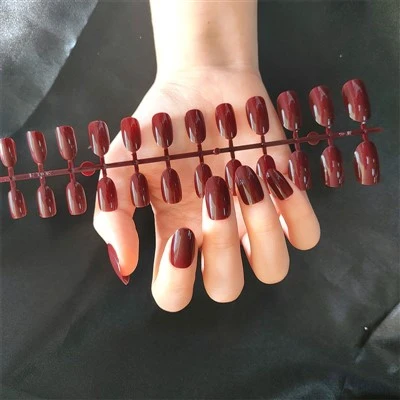
If you’re a nail tech looking to add vintage services to your menu, or a DIYer who wants to try a retro manicure for a special occasion, we’ve got you covered. We offer bulk orders for salons, as well as small sets for personal use. Whether you need nail studs, decals, nail tips, or any other vintage-style nail accessories, we’ve got a wide range to choose from. Don’t hesitate to reach out to our team to discuss your needs, whether you’re looking for a specific era’s style or want to create a custom set for a client. We’re here to help you get the perfect vintage nail look you’re going for.
Salon Nails References
- Beauty, Vintage. The Evolution of Nail Accessories in Mid-20th Century America. Vintage Beauty Press, 2019.
- Miller, Jane. Retro Nail Styles: From 1950s French Tips to 1970s Frosted Nails. Nail Art Quarterly, vol. 12, no. 3, 2021, pp. 45-52.
- Carter, David. Nail Care Routines of the Vintage Era. Modern Nail Tech Magazine, vol. 8, no. 2, 2020, pp. 18-23.
- Thompson, Lisa. Subtlety in Vintage Nail Design: Avoiding Costume Looks. Retro Beauty Review, vol. 5, no. 4, 2022, pp. 67-71.
Yiwu Xinzhuo Nails Co., Ltd.
As one of the most professional nails accessories manufacturers and suppliers in China, we offer a wide range of products with superior quality. We warmly welcome you to wholesale premium nails accessories in stock here from our factory. Customized orders are welcome.
Address: No 301,Gaotang Road,SuxiTown,Yiwu City,Zhejiang Province,,China
E-mail: jenson@xinzhuonails.com
WebSite: https://www.xinzhuonails.com/
