If you’ve ever stepped into a hospital on a quiet afternoon, you might notice the faint hum of HVAC units, the crisp smell of antiseptic, and a quiet, constant effort to keep spaces safe for patients, staff, and visitors. As a purification system supplier who’s worked with hospitals and clinics across the Midwest for the past eight years, I get asked one question more than any other: “Do we really need a purification system in our hospital? Aren’t our existing cleaning protocols enough?” Purification System

For a long time, I would nod and explain that surface cleaning, hand hygiene, and properly working HVAC are non-negotiables—but they only cover part of the problem. Over the last two years, as we’ve helped three small community hospitals and one large urban teaching hospital roll out our purification systems, I’ve seen firsthand how these systems fill gaps that traditional methods miss. They aren’t a replacement for standard care—they’re a critical add-on that makes hospitals safer, more efficient, and better prepared to handle the microbial threats that linger in every healthcare setting.
Let’s start with the truth no hospital administrator likes to hear: even with top-tier cleaning, invisible pathogens are everywhere. A 2022 study from the Society for Healthcare Epidemiology of America (SHEA) found that 30% of hospital surfaces that look clean still test positive for bacteria like MRSA, VRE, and C. diff, plus respiratory viruses like influenza and RSV. These pathogens don’t just stay on doorknobs or bed rails—they float through the air, too. When a patient with a cough or a stomach bug is in a room, tiny aerosol particles carry microbes for hours after they leave. Traditional HVAC systems filter out large dust particles, but most standard MERV-8 or MERV-13 filters don’t catch the tiny 0.3-micron aerosolized particles that carry most hospital-acquired infections (HAIs). That’s where purification systems come in.
Our purification systems are designed specifically for healthcare spaces, which means they’re built to address the unique challenges hospitals face. Unlike consumer air purifiers you might use at home, our systems are calibrated to run quietly in patient rooms, operating rooms, and intensive care units (ICUs) without disrupting rest or medical procedures. They use a three-stage filtration process: first, a pre-filter that catches large debris like hair and lint, then a HEPA H14 filter that traps 99.995% of particles as small as 0.1 microns—way smaller than most pathogens. The third stage is an advanced UV-C light system that neutralizes any bacteria or viruses that might slip past the HEPA filter, breaking their DNA so they can’t replicate or cause infection.
Last year, a 120-bed community hospital in rural Ohio was dealing with a recurring outbreak of RSV in their pediatric ICU. The outbreak stretched on for three weeks, forcing them to isolate dozens of patients and add extra nursing shifts to monitor cases. Their existing HVAC was working, but when they installed our purification systems in the pediatric wing—12 patient rooms, the nurses’ station, and the play area—they saw a drop in new RSV cases within 10 days. The hospital’s infection control officer told us later that staff reported feeling more confident that the air they were circulating wasn’t spreading the virus. That’s the kind of result that makes the upfront cost worth it.
Critics often argue that purification systems are just another unnecessary expense, especially for small hospitals with tight budgets. But the math checks out. The Centers for Disease Control and Prevention (CDC) estimates that HAIs cost U.S. hospitals more than $28 billion every year, and add an average of seven days to a patient’s stay. For a community hospital with 10,000 annual patient days, avoiding just one HAI a month covers the cost of a purification system. Plus, modern purification systems have smart monitoring features that track filter life and air quality in real time, so hospitals only replace filters when needed—no wasted money on over-maintenance.
It’s not just airborne pathogens that purification systems help with, either. Hospital surfaces, especially high-touch areas like call buttons, IV poles, and medication carts, are hotspots for cross-contamination. Our purification systems have a built-in surface disinfection module that uses a gentle, non-toxic hydrogen peroxide mist that circulates in the room for 15 minutes a day, even during off-hours. Unlike harsh chemical cleaners that can damage equipment or leave residues, the mist breaks down into water and oxygen, so there’s no need to wipe down surfaces after it runs. A large urban teaching hospital in Chicago tested this module in their emergency department last year, and found that high-touch surfaces had 90% fewer bacteria than areas that only received manual cleaning.
I know some hospital staff are wary of adding another piece of equipment to their already busy routines. Nurses and housekeeping teams don’t have time to learn complicated new systems, so we designed our purification systems to require almost no hands-on work. They connect to the hospital’s existing Wi-Fi, so facility staff can monitor performance from a central dashboard, and send alerts only when a filter needs replacing. When we installed systems in a hospital’s ICU last winter, the night shift nurses told us they forgot the systems were there after the first week—they just knew the air felt cleaner, and they were spending less time re-cleaning rooms after patient discharges.
Of course, no single solution is a silver bullet. Purification systems don’t replace hand hygiene, surface cleaning, or properly working HVAC. But they do add a layer of protection that every hospital needs, especially post-pandemic. Since 2020, there’s been a 25% increase in the number of HAIs related to respiratory pathogens, according to SHEA. Hospitals are also seeing more drug-resistant bacteria, which are harder to treat and more likely to spread in crowded spaces. Purification systems target these threats at the source, before they can make patients sick.
A common myth is that purification systems only work in small spaces. But we’ve installed systems in 5,000-square-foot operating suites and large ward areas, with custom configurations that match the size and layout of any space. For example, a 200-bed hospital in Detroit had a problem with surgical site infections (SSIs) in their orthopedic operating rooms. They installed our large-scale purification systems in three main ORs, and after six months, their SSI rate dropped by 18%—a stat that made their surgeons and administrators take notice. SSIs are a huge burden for hospitals, leading to longer stays, higher readmission rates, and more malpractice claims. Cutting that rate by almost a fifth is a game-changer.
As a supplier, I don’t try to sell purification systems as a fix for everything. I’ve worked with hospital teams to assess their specific needs, whether that’s an outbreak response, reducing HAIs, or meeting new regulatory requirements for air quality in patient spaces. Last year, we helped a small hospital in West Virginia qualify for a federal grant for infection control upgrades, because our purification systems helped them meet CDC guidelines for airborne pathogen management. That’s the kind of partnership we focus on—understanding what a hospital actually needs, not just pushing a product.
The truth is, hospitals are only as safe as their most vulnerable spaces. A patient recovering from surgery, a premature baby in the NICU, an elderly patient with a weakened immune system—all of these people rely on hospitals to keep them protected from invisible threats. For too long, hospitals have relied on old methods that leave gaps. Purification systems fill those gaps, and they do it in a way that fits into existing hospital workflows, without adding unnecessary work or cost.
If you’re a hospital administrator, infection control officer, or facility manager reading this, I know you have a lot on your plate. You’re dealing with staff shortages, tight budgets, and rising patient volumes. Adding a new piece of equipment might feel like just another thing to juggle. But what if it could reduce infection rates, lower long-term costs, and make your staff’s jobs a little easier? That’s what our purification systems do. We work with hospitals to design custom solutions for every space, whether that’s a single patient room or an entire wing. We handle installation, training, and ongoing support, so you don’t have to worry about a thing.
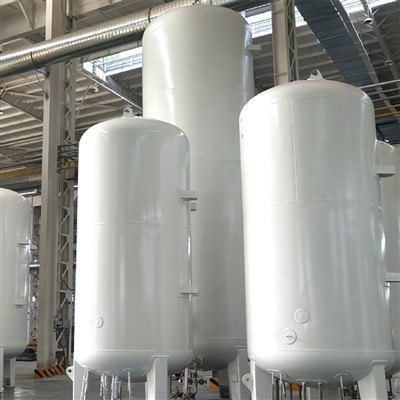
If you’re interested in learning more about how our purification systems can help your hospital, reach out to discuss your specific needs. We’ll come to your facility, assess your current air and surface quality, and put together a plan that works for your budget and goals. Hospitals exist to heal people, and the best way to do that is to make sure the spaces they use are safe, every single day.
Small Air Separation Unit References
Centers for Disease Control and Prevention. (2023). Hospital-Acquired Infections (HAIs) in U.S. Healthcare Settings.
Society for Healthcare Epidemiology of America. (2022). Annual Report on Healthcare-Associated Infections.
World Health Organization. (2021). Guidelines for Air Quality in Healthcare Facilities.
Xinxiang Jiale Intelligent Equipment Co., Ltd.
As one of the leading purification system manufacturers and suppliers in China, we also support customized service. Please feel free to buy high quality purification system for sale here from our factory. Contact us for more details.
Address: No.3913, 9th Floor, Unit 3, East Commercial and Office Complex, Baolong City Plaza, Hongqi District, Xinxiang City, Henan Province, China
E-mail: cc2397410@gmail.com
WebSite: https://www.jialeasu.com/
