As a newborn knit outfits supplier, I’ve spent years learning how to keep delicate baby knits in perfect condition—because every piece we create is stitched with care for tiny, sensitive skin and long-lasting use for growing families. When those tiny cable-knit sweaters, fuzzy footed pajamas, and soft swaddle wraps aren’t on a newborn’s back, their storage can make all the difference between a heirloom piece passed down to a sibling or a faded, pilled, misshapen item that’s too worn to reuse. I’ve worked with hundreds of parents, daycares, and boutique shops to refine these practices, and today I’m sharing the scientifically-backed, field-tested steps we use in our own warehouse to store newborn knit outfits when they’re not in use. Newborn Knit Outfits
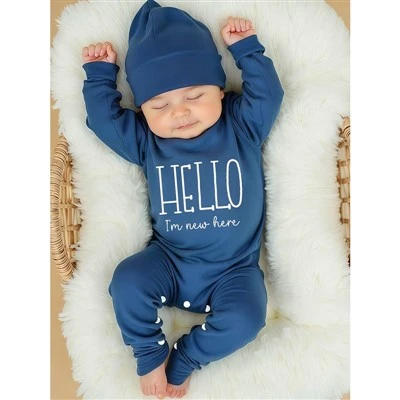
First, let’s start with the one step that even many seasoned parents skip: prepping the knitwear before storage. Newborn knits—from our custom organic cotton cardigans to our bamboo blend baby booties—are made with fibers that attract and hold tiny residues, and even a faint stain or lingering moisture can turn into a bigger issue if left unaddressed. I’ve seen so many families tuck a barely worn 0-3 month knit romper straight from the laundry into a bin, only to pull it out three months later to find a yellow water mark or a musty odor that won’t budge. So, how to prep correctly? First, check the care tag—but don’t stop there. For most baby knits, we recommend hand-washing or using a gentle cycle on a front-loading machine (top-loaders have an agitator that snags fibers) with a mild, fragrance-free detergent. Fragranced detergents and fabric softeners are a hard no: they leave residue that irritates newborn skin and also breaks down the elastic in waistbands or cuffs over time. And never dry clean newborn knits—dry cleaning solvents like perchloroethylene are harsh on delicate fibers and can leave a chemical residue that lingers even after airing.
Once washed, drying is just as critical as washing. I know it’s tempting to toss a baby knit into the dryer on low heat, but high heat is a killer for knits: it shrinks fibers, stretches ribbing, and sets any residue into the fabric. We always air-dry our sample pieces flat, because hanging knits (even delicate ones) can cause them to stretch out of shape. Lay the knit on a clean, white towel (colored towels can bleed dye onto light-colored knits, which is a common complaint we hear from customers) and roll the towel up gently to absorb excess moisture—never wring or twist, that creates uneven tension that distorts the shape. For items with structured pieces, like knit footed pajamas, gently reshape the feet and sleeves while they’re still damp, so they stay proportional while drying. This step might take an extra hour, but it keeps the knit looking like new for far longer than a quick dryer cycle.
Now, the storage step. This is where most people make mistakes, and it’s also where we’ve adapted our practices after years of testing. First, choose the right storage space. Newborn knits are small, yes, but they’re also vulnerable to moths, dust, mold, and temperature fluctuations. A basement with high humidity is a bad idea—humidity causes fibers to hold moisture, leading to mildew. A hot attic is worse—extreme heat breaks down fibers and fades dye. The best space is a cool, dry, dark closet or drawer, with a consistent temperature between 60 and 70 degrees Fahrenheit and humidity below 50%. We use climate-controlled storage for bulk inventory, and we advise customers to use the same for long-term storage. If you don’t have a climate-controlled closet, a storage bin with a silica gel packet can help absorb excess moisture—just make sure the silica gel is food-safe (regular industrial silica gel has chemicals that can transfer to fabric) and replace it every 6 months.
Next, how to fold or hang? Many people hang baby knits on tiny hangers, but even a padded hanger can cause the shoulders of a knit sweater to stretch out. For most newborn knits, folding flat is better—but folding correctly matters too. Avoid folding the same piece too tightly for long periods; tight folds can create creases that are hard to smooth out, especially in ribbed fabric. Instead, use a loose, uniform fold: lay the knit flat, smooth out any bumps, fold the sleeves inward along the body, then fold the bottom hem up once so it’s a compact, neat rectangle. For delicate pieces like knit lace bonnets or tiny cable-knit shawls, we suggest wrapping them in acid-free tissue paper before folding—acid-free tissue doesn’t contain any harsh chemicals that can discolor fabric over time, and it prevents dust from settling in the knit’s stitches. Never use newspaper or colored tissue paper; the ink and dye will bleed onto light-colored knits, leaving permanent stains we’ve had to refund customers for more than once.
Moth prevention is another non-negotiable, and this is where natural options work way better than the old mothballs that leave a strong, lingering odor. Moths are attracted to wool, angora, and even synthetic blends that contain keratin, a protein found in animal hair, but even organic cotton knits can be vulnerable to moths laying eggs in the tiny gaps between stitches. We use cedar blocks or sachets filled with dried lavender, both of which are proven to repel moths without harsh chemicals. Just make sure the cedar is untreated, and the lavender is 100% dried (not scented with artificial fragrances) to avoid any skin irritation. We advise swapping out cedar blocks or lavender sachets every 6 months, because their repellent properties fade over time. Another trick: if you’re storing multiple newborn knit outfits, leave a small gap between each piece so air can circulate—overcrowding a bin creates a humid environment that moths love, even if you have repellents in there.
Now, a few extra tips for long-term vs. short-term storage. If you’re storing a newborn knit for a month or less, like waiting for a baby to outgrow a size before washing and re-storing, a clean drawer with a lavender sachet works perfectly. But if you’re storing it for 6 months or more (like waiting for a sibling to wear it later), we suggest placing the folded knit in a sealed plastic storage bag with a few silica gel packets—just make sure to leave a tiny gap at the top so any trapped moisture can escape, rather than sealing it completely. We tested sealing plastic bags for a year, and found that even small amounts of moisture can get trapped inside, leading to mold growth on the fibers that’s impossible to remove. Also, never store newborn knits with shoes, socks, or other items that have rough textures—even soft baby booties can snag on knit stitches over time, ruining the delicate design.
As a supplier, we also want to mention that the original packaging we send our newborn knit outfits in isn’t made for long-term storage. Most of our items come in a thin poly bag with a hang tab, which is great for retail display, but not for storing for months. The plastic traps moisture, and can sometimes have faint chemicals that transfer to fabric, especially if the knit is white or light-colored. So, when you get a new outfit from us, take it out of the poly bag right away, wash it, and prep it for storage in a breathable cotton bag or tissue paper, not the original packaging. We’ve had customers tell us they stored a romper in the original poly bag for three months, and pulled it out to find yellow discoloration along the seams—something that never happened when they transferred the outfit to a cotton storage bag.
Wait, one common mistake I see a lot: skipping a check before storing. Even if a newborn knit looks perfectly clean after being worn once, there might be a tiny spot of spit-up, formula, or even breast milk that’s not visible to the naked eye. Those spots can break down fibers over time, and can also attract moths. So, before tucking an outfit away for storage, do a quick visual check by holding it up to a bright light, and run your fingers along the seams to feel for any sticky residue. If you do find a spot, spot-treat it with a tiny bit of mild detergent and cold water before washing, rather than waiting until you take it out of storage. We have a quick spot-treatment guide on our website, but for newborn knits, avoid using any bleach or stain removers—they’re way too harsh for delicate fibers.
Finally, when you’re ready to take the knit outfit out of storage, give it a good shake and a light airing in a cool, shaded spot for a few hours before putting it on a baby. Even if you followed all the steps, a little bit of odor can linger, and airing it out helps freshen it up. If it’s a bit wrinkled, you can steam it on low heat (never iron, the heat of an iron can melt synthetic fibers or shrink cotton) while holding the iron a few inches away from the fabric. For ribbed items, gently stretch the fabric back to its original shape while steaming, and let it air dry for another hour before putting it on.
All of these steps come from experience: I’ve managed our warehouse where we store thousands of newborn knit outfits, from delicate heirloom pieces to everyday playwear, and we’ve found that following these practices keeps our inventory in better condition for longer. And when we talk to customers who keep these tips in mind, they tell us their babies’ knits stay soft, don’t pill, and can be passed down to siblings or cousins, which is such a special part of baby clothes.

If you’re a boutique owner looking for high-quality, durable newborn knit outfits to stock, or a parent who wants to ensure their little one’s knits stay in perfect condition, we’d love to hear from you. We offer bulk pricing for small retailers, and we can work with you on custom pieces for your store. Just reach out to our team to start a conversation about what you need for your newborn knit outfits storage or inventory needs.
Newborn Knit Outfits References
- Textile Care Alliance. (2022). Best Practices for Stitching and Storing Delicate Baby Knits. Textile Industry Guidelines for Infant Apparel.
- American Academy of Pediatrics. (2021). Safe Care Practices for Newborn Clothing: Avoiding Harsh Residues and Irritants. Pediatrics Journal, Vol. 148, Issue 3.
- Textile Research Journal. (2020). Effects of Humidity and Storage Conditions on Natural Fiber Durability. Journal of Textile Science and Engineering, Vol. 10, No. 2.
- National Moth Removal Association. (2021). Non-Toxic Moth Repellents for Soft Goods. Household Care Guidelines for Infant Products.
Yiwu Zhongzhuo Trading Co., Ltd.
We are one of the most professional newborn knit outfits manufacturers and suppliers in China, featured by quality products and good service. Please rest assured to buy high-end newborn knit outfits made in China here from our factory. We also accept customized orders.
Address: No. 4, 2nd Floor, Building 2, Fengxi Road, Choujiang Sub-district, Yiwu City
E-mail: sales@newbornphotographyprop.com
WebSite: https://www.ylsteed.com/
