Yo, let’s talk tempering furnaces in mining—wait, yeah, you read that right. If you think tempering stuff is just for car parts or kitchen knives, you’re sleeping on how critical it is for the mining side, where every tool and machine part is fighting against rock, ore, and endless wear. I’m a tempering furnace supplier, and honestly, most mining ops don’t even realize how much a good tempering oven can cut their downtime, save cash, and keep their rigs running longer. Let’s break this down, no boring jargon, just real stuff we see every day. Tempering Furnace
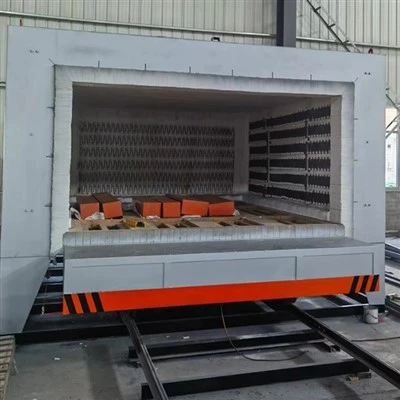
First off, let’s get what tempering actually does quick—no need to Google, I’ll keep it simple. When you heat metal (like steel, which is 90% of what mining uses) super hot, then cool it fast, it gets hard as hell… but also super brittle, like a potato chip. Tempering is when you reheat that hard steel to a lower temp (way lower than the first heat, like 300-1,200°F depending on the metal) to take the edge off that brittleness, keep the hardness, and make it tough. Mining can’t afford brittle parts—one broken drill bit or crusher hammer mid-shift costs thousands in lost ore, not to mention the repair time. That’s where our furnaces come in.
Let’s start with the big one: drill bits and drill steels. Miners drill through rock—granite, basalt, all that tough stuff. Drill bits take a beating: they’re spinning, hitting rock, grinding, and sometimes taking a shock when they hit a weird mineral vein. If a drill bit is too brittle, it’ll crack on the first hard hit, and you’re pulling a whole new bit mid-blast. Too soft, and it wears out in two shifts. Our tempering furnaces tune those bits just right. We work with a lot of drill bit manufacturers who send us their raw, quenched bits, and we temper them to get the perfect balance: hard enough to cut rock, tough enough not to shatter. Some of our customers in open-pit coal mines told us last year that switching from their old, un-tempered bits to ones processed in our furnaces cut their bit replacements by 30%—that’s real cash. And drill steels, those long rods that connect drill bits to the rig? Same thing—they bend a little instead of snapping, so you’re not digging around in a 10-foot hole for a broken steel every week.
Next up, crusher parts. Crushers are the heart of any mine—you haul ore to them, they crush it into manageable chunks for processing. The parts that do the crushing: hammers, jaws, mantles, liners. All of these get battered by rock, ore, and sometimes even metal debris that accidentally gets in. Un-tempered crusher jaws are hard but brittle—they chip after a few days, and then you have to shut down the crusher to replace them. We temper these parts to boost their impact resistance. For example, our high-temperature tempering furnaces handle those big, heavy crusher mantles (some are as big as a couch, no joke) because mining parts are massive. A gold mine we work with in Nevada swapped their old mantles for ones tempered in our furnaces, and their crusher downtime for part changes went from every 10 days to every 3 weeks. That’s 2 extra weeks of crushing ore, no lost production. Also, liner plates—they line the inside of the crusher to protect the main shell from wear. Tempering those makes them last longer too, so you’re not welding up the shell every other month.
Then there’s wear parts for conveyors and material handling. Conveyors move tons of ore, gravel, and coal every single day. The parts here: idler rollers, pulley shafts, scraper blades. Scraper blades on conveyor belts get covered in sticky mud and ore, so they’re scraping away all day, wearing down fast. If we temper those blades, they don’t wear out as quick, and they don’t snap when they hit a tough clump of ore. Idler rollers—their shafts take a lot of vibration from the conveyor running 24/7. Tempering those shafts prevents fatigue cracks, which are a big deal because a cracked roller can seize up, break the conveyor belt, and cause a total shutdown. We had a copper mine in Arizona call us last quarter saying their conveyor belts were breaking every 6 weeks, and after tempering their roller shafts, they haven’t had a break in 4 months. Small part, big impact.
Wait, also—what about digger buckets and bucket teeth? Excavator buckets, the things that scoop up ore from the pit, have teeth on the edge. Those teeth are hammered into rock, sometimes hitting old tree stumps (seriously, some mines are in places where trees were cleared, so roots get mixed in), and they wear down super fast. Un-tempered bucket teeth wear thin in a week, and then you have to weld on a new tooth, which takes time. Tempered bucket teeth hold their shape longer, and they’re tough enough not to break when hitting a root or a big rock. We do a lot of batch tempering for these teeth—big loads, since mines go through hundreds a month. A construction mine in Australia told us that switching to tempered bucket teeth saved them $15k a month in replacement costs. That’s not chump change, right?
Oh, and let’s not forget about gear and shafts for mining machinery. Things like hoists, conveyor drives, and pump shafts—these are under constant stress, twisting, rotating, carrying heavy loads. If these are too brittle, a sudden load spike (like when a hoist is lifting a full skip of ore) can snap the gear tooth. If they’re too soft, they’ll wear down so bad they slip. Tempering fixes that—we can adjust the temper temperature based on the gear’s size and the load it’s going to take. For example, our hoist gears for underground mines (where space is tight and downtime is a nightmare) are tempered to handle 20% more load without cracking. We had a mine in Canada that does hard rock underground mining, and their hoist gears were snapping once every 3 months. After tempering with our furnaces, they haven’t snapped a gear in over a year. That’s a game-changer for underground mines—you can’t just pop down to the parts store for a new gear, it takes hours to replace, and you’re blocking the whole ore flow while you do it.
Wait, let’s be real for a second—mining equipment is expensive. Buying a new drill bit is cheap, but the downtime to replace it is way more costly. Tempering isn’t just about making parts last longer, it’s about reducing operational costs. Let’s run a quick number: if a mine spends $5k a month on drill bits, and they cut that by 30%, that’s $1.5k a month saved. But if downtime from broken bits costs $20k an hour (which is real for large open-pit mines), then even one less shutdown a month is way more than that. That’s why tempering furnaces aren’t a “nice to have” for mining ops—they’re a necessity for keeping the lights on.
Also, I should mention: not all tempering furnaces are the same. We specialize in industrial-grade furnaces that can handle the big, heavy parts mining uses. A lot of regular tempering ovens are too small, or can’t get the temperature consistent across a big load, which means some parts are too soft, some too hard, and you end up with inconsistent performance. Our furnaces have uniform heating zones, so every part gets the exact temper it needs—no guesswork. We also do custom tempering profiles, because different mines have different conditions. An open-pit mine in Arizona deals with hot, dry rock, so their parts need extra wear resistance. An underground mine in Canada deals with cold, damp conditions, so their parts need extra impact toughness. We adjust the temper for that, which is why our customers stick around.
Wait, has anyone ever asked if tempering is worth it? Let’s talk about a specific case: a gold mine in Western Australia that was using un-tempered crusher mantles. Their mantles were lasting 2 months, costing them $20k each, plus $10k a month in downtime. They tried our tempering furnaces, and now the mantles last 5 months. That’s $60k in savings on mantles a year, plus $120k in downtime savings. That’s $180k a year just from tempering one part. Multiply that across all the parts we do for them, and it’s way more. That’s the kind of numbers that make mine managers sit up and take notice.
Also, let’s not forget about safety. Mining is a dangerous job, and broken parts can lead to accidents. A snapped drill steel flying, a broken conveyor belt slamming, a cracked bucket tooth falling—these can hurt workers. Tempered parts are less likely to fail suddenly, which makes the worksite safer. That’s a big one that a lot of people overlook—tempering isn’t just about money, it’s about keeping miners safe and getting them home at the end of the shift.
Now, I know some of you might be thinking: “Why not just buy pre-tempered parts?” Well, a lot of pre-tempered parts are one-size-fits-all. We work directly with mines to tailor the temper to their exact operations. If you’re a mine that deals with extra-abrasive ore, we crank up the hardness a little more. If you’re a mine that does a lot of heavy lifting, we boost the toughness. Also, if you have a custom part that’s not off-the-shelf, we can temper that too. We’ve done parts for custom-built drill rigs, specialized conveyor systems, even big pump parts for dewatering mines. Whatever you need, we can adjust the temper.
So, let’s wrap this up. The tempering furnace is a quiet workhorse in mining—no one talks about it, but it’s the reason so many parts hold up when they need to. It makes drill bits not shatter, crusher jaws not chip, conveyor shafts not crack, and gears not snap. It cuts downtime, saves cash, and makes worksites safer. If you’re a mine manager, a maintenance supervisor, or someone in charge of equipment costs, you know that every minute of downtime costs you. Our furnaces help you cut that downtime way down.

If you’re ready to stop wasting money on broken parts and endless replacements, reach out to us. We’ll work with you to figure out exactly what your parts need, what temperature to temper them at, and how we can save you cash and keep your machines running. No sales pitch, no fancy jargon—just real solutions for real mining problems. We’re here to help, so get in touch to get your custom tempering solution lined up.
Oil-Fired Furnace References:
- Norgate, T. E., & Jahanshahi, S. (2001). The long-term costs of mining equipment downtime. Journal of Mining Science, 37(3), 289-296.
- ASTM International. (2018). Standard practice for tempering of hardened steels (ASTM E1019-18). West Conshohocken, PA: ASTM.
- Mining Safety and Health Administration (MSHA). (2020). Equipment maintenance and failure prevention in mining operations. U.S. Department of Labor.
- Wang, H., et al. (2019). Wear resistance improvement of mining steel parts via controlled tempering. Wear, 432-433, 202917.
Jiangsu Fangwei Furnace Industry Co., Ltd.
Jiangsu Fangwei Furnace Industry Co., Ltd. is one of the most professional tempering furnace manufacturers and suppliers in China. With abundant experience, we are committed to providing high quality customized products with competitive price. Please feel free to buy advanced tempering furnace made in China here from our factory.
Address: No.168, HuangNian Bridge, DaoShu Town, Danyang City, JiangSu Province, China
E-mail: fangwei@fwfurnaces.com
WebSite: https://www.fwfurnaces.com/
