Sharpening a metal bandsaw blade is a crucial skill for anyone working with metal bandsaws, whether you’re a professional metalworker or a hobbyist. As a metal bandsaw blade supplier, I’ve seen firsthand the importance of maintaining sharp blades for optimal performance and efficiency. In this blog post, I’ll share my insights and experiences on how to sharpen a metal bandsaw blade effectively. Metal Bandsaw Blade
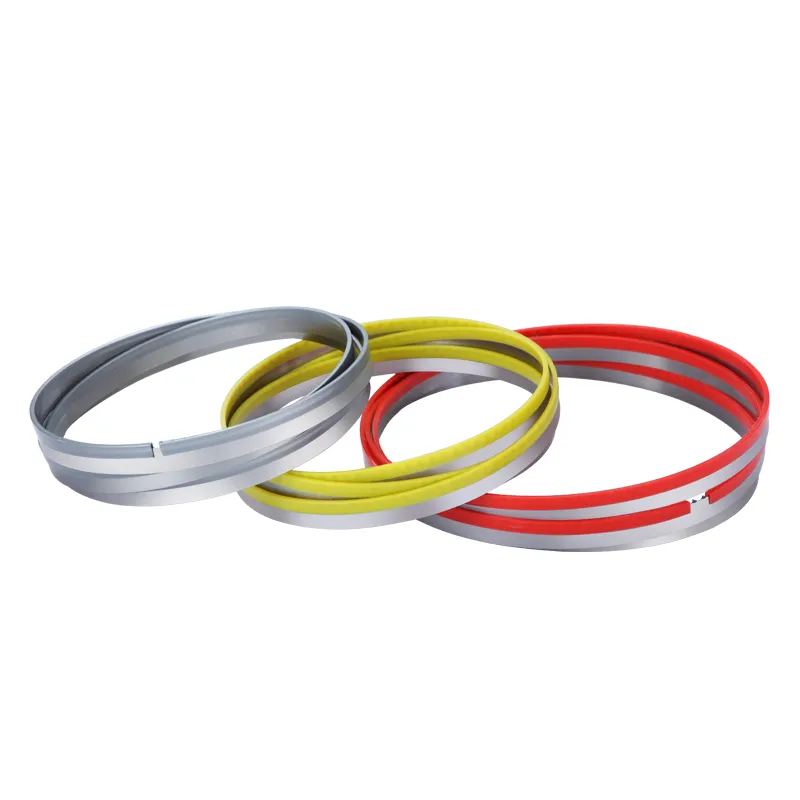
Understanding the Basics of Bandsaw Blades
Before we dive into the sharpening process, it’s essential to understand the basic components and types of metal bandsaw blades. Bandsaw blades are made of high-speed steel (HSS), carbide-tipped, or bi-metal materials, each with its own unique properties and applications.
- High-Speed Steel (HSS) Blades: These blades are made of a single piece of high-speed steel and are suitable for cutting a wide range of materials, including mild steel, aluminum, and non-ferrous metals. HSS blades are relatively inexpensive and easy to sharpen, making them a popular choice for general-purpose cutting.
- Carbide-Tipped Blades: Carbide-tipped blades have carbide teeth brazed onto a steel body, providing excellent cutting performance and durability. These blades are ideal for cutting hard materials, such as stainless steel, cast iron, and exotic alloys. Carbide-tipped blades are more expensive than HSS blades but offer longer tool life and better cutting quality.
- Bi-Metal Blades: Bi-metal blades are made of a high-speed steel cutting edge welded to a flexible alloy steel backing. These blades combine the strength and durability of high-speed steel with the flexibility of alloy steel, making them suitable for a variety of cutting applications. Bi-metal blades are commonly used for cutting thick materials, such as structural steel and pipe.
Signs That Your Bandsaw Blade Needs Sharpening
Over time, bandsaw blades will wear down and lose their sharpness, resulting in poor cutting performance and increased wear on the saw. Here are some signs that your bandsaw blade needs sharpening:
- Poor Cutting Performance: If your bandsaw is struggling to cut through materials or producing rough cuts, it’s a sign that the blade is dull. A sharp blade should cut smoothly and effortlessly through the material, leaving a clean and precise cut.
- Excessive Heat: A dull blade will generate more heat during cutting, which can cause the blade to warp or break. If you notice that the blade is getting hot or smoking during cutting, it’s a sign that the blade needs to be sharpened.
- Noise and Vibration: A dull blade can cause excessive noise and vibration during cutting, which can be a sign of a misaligned or worn blade. If you notice that the saw is making unusual noises or vibrating excessively, it’s a good idea to check the blade for sharpness.
- Blade Wear: Inspect the blade regularly for signs of wear, such as chipped or broken teeth, dull edges, or excessive wear on the back of the blade. If you notice any of these signs, it’s time to sharpen the blade.
Sharpening a Metal Bandsaw Blade
Sharpening a metal bandsaw blade requires the right tools and techniques to ensure a sharp and precise edge. Here’s a step-by-step guide on how to sharpen a metal bandsaw blade:
- Prepare the Blade: Before sharpening the blade, make sure it is clean and free of debris. Use a wire brush or compressed air to remove any chips or debris from the blade.
- Select the Right Sharpening Tool: There are several types of sharpening tools available for bandsaw blades, including files, grinders, and sharpening stones. Choose the tool that is best suited for your blade and the type of sharpening you need to do.
- Set the Sharpening Angle: The sharpening angle of the blade is critical for achieving a sharp and precise edge. The angle will depend on the type of blade and the material you are cutting. Refer to the manufacturer’s recommendations for the correct sharpening angle.
- Sharpen the Teeth: Use the sharpening tool to sharpen each tooth of the blade, following the manufacturer’s instructions. Make sure to sharpen each tooth evenly and maintain the correct sharpening angle.
- Check the Blade for Sharpness: After sharpening the blade, check it for sharpness by running your finger along the edge of the blade. If the blade is sharp, it should feel smooth and have a slight edge.
- Test the Blade: Once you have sharpened the blade, test it on a scrap piece of material to make sure it is cutting smoothly and efficiently. If the blade is still not cutting properly, you may need to repeat the sharpening process.
Tips for Sharpening a Metal Bandsaw Blade
Here are some tips to help you sharpen your metal bandsaw blade effectively:
- Use the Right Sharpening Tool: Make sure you use the right sharpening tool for your blade and the type of sharpening you need to do. Using the wrong tool can damage the blade and reduce its performance.
- Follow the Manufacturer’s Recommendations: Refer to the manufacturer’s recommendations for the correct sharpening angle, tool, and technique for your blade. Following these recommendations will ensure that you achieve the best results.
- Sharpen the Blade Regularly: Regular sharpening will help to maintain the sharpness of the blade and extend its lifespan. Make sure to sharpen the blade after every 10-15 hours of use or as recommended by the manufacturer.
- Keep the Blade Clean: Keeping the blade clean will help to prevent debris from building up on the teeth and reduce the risk of damage to the blade. Use a wire brush or compressed air to remove any chips or debris from the blade after each use.
- Store the Blade Properly: Storing the blade properly will help to prevent it from becoming damaged or dull. Make sure to store the blade in a dry, cool place and avoid exposing it to moisture or extreme temperatures.
Conclusion

Sharpening a metal bandsaw blade is a critical skill for anyone working with metal bandsaws. By following the steps and tips outlined in this blog post, you can ensure that your bandsaw blade is sharp and performing at its best. Remember to use the right sharpening tool, follow the manufacturer’s recommendations, and sharpen the blade regularly to maintain its sharpness and extend its lifespan.
Meat Bandsaw Blade If you’re in the market for high-quality metal bandsaw blades or need help with sharpening your existing blades, please don’t hesitate to contact us. We’re a leading supplier of metal bandsaw blades and can provide you with the products and services you need to keep your saw running smoothly.
References
- "Bandsaw Blade Sharpening Guide," Woodworking Network.
- "How to Sharpen a Bandsaw Blade," Popular Mechanics.
- "Sharpening Bandsaw Blades," The Family Handyman.
Zhejiang Sipu Sawing Industry Co., Ltd.
With abundant experience, we are one of the most reliable metal bandsaw blade manufacturers and suppliers in China. Please feel free to buy high quality metal bandsaw blade made in China here from our factory. We also accept customized orders.
Address: No. 1129 Cangling Road, Huzhen Town, Jinyun County, Lishui City, Zhejiang
E-mail: ls@sipu.onaliyun.com
WebSite: https://www.sipu-saw.com/
