Hey there! I’m a supplier of fire fighting pumps, and I’ve seen firsthand how crucial it is to pick the right one. It’s not just about having a pump; it’s about having the right pump for the job. In this blog, I’ll share some tips on how to choose the right fire fighting pump. Fire Fighting Pump

Understanding Your Needs
First things first, you need to figure out what you need the pump for. Are you using it for a small residential building, a large commercial complex, or maybe for industrial use? The type of application will greatly influence your choice.
For residential use, a smaller, less powerful pump might be sufficient. You’re probably dealing with a single – family home or a small apartment building. These pumps are usually easier to install and maintain. They don’t need to move a huge volume of water, so you can go for something more budget – friendly.
On the other hand, if you’re looking at a commercial or industrial setting, things get a bit more complicated. Big buildings, factories, or warehouses require pumps that can handle large volumes of water at high pressures. You might need a pump that can deliver water to multiple floors or across a large area.
Flow Rate and Pressure
Two of the most important factors to consider are flow rate and pressure.
Flow rate is basically how much water the pump can move in a given amount of time, usually measured in gallons per minute (GPM) or liters per second. The higher the flow rate, the more water the pump can supply. If you’re dealing with a large fire, you’ll need a pump with a high flow rate to ensure there’s enough water to douse the flames.
Pressure, on the other hand, is about how hard the water is pushed through the system. It’s measured in pounds per square inch (PSI) or bars. Higher pressure is needed to get the water to reach higher floors or travel longer distances. For example, if you have a tall building, you’ll need a pump that can generate enough pressure to get the water up to the top floors.
When choosing a pump, you need to find the right balance between flow rate and pressure. You don’t want a pump that has a high flow rate but low pressure, or vice versa. You need a pump that can meet the specific requirements of your application.
Pump Type
There are different types of fire fighting pumps, and each has its own advantages and disadvantages.
Centrifugal Pumps: These are the most common type of fire fighting pumps. They work by using a rotating impeller to create centrifugal force, which moves the water. Centrifugal pumps are relatively simple in design, easy to maintain, and can handle a wide range of flow rates and pressures. They’re great for most applications, especially in commercial and industrial settings.
Positive Displacement Pumps: These pumps work by trapping a fixed amount of water and then forcing it out of the pump. They’re known for their ability to generate high pressures, even at low flow rates. Positive displacement pumps are often used in applications where a constant flow of water at high pressure is required, such as in some industrial processes or for firefighting in areas with difficult access.
Jet Pumps: Jet pumps use a high – velocity jet of water to create a vacuum, which draws water into the pump. They’re typically used in smaller applications, like residential fire protection. Jet pumps are relatively inexpensive and easy to install, but they may not be suitable for large – scale firefighting.
Power Source
The power source of the pump is another important consideration.
Electric Pumps: These are the most common type of fire fighting pumps. They’re powered by electricity, which is readily available in most buildings. Electric pumps are generally quiet, easy to start, and require less maintenance compared to other types of pumps. However, they rely on a stable power supply, so if there’s a power outage, they won’t work.
Diesel – Powered Pumps: Diesel pumps are a popular choice for applications where a reliable power source is not guaranteed. They can operate independently of the electrical grid, making them ideal for remote locations or in case of power failures. Diesel pumps are more powerful than electric pumps and can handle larger volumes of water. However, they require more maintenance and can be noisier.
Gas – Powered Pumps: Gas – powered pumps are similar to diesel pumps in that they can operate without an electrical connection. They’re usually smaller and more portable than diesel pumps, making them a good choice for small – scale firefighting or for use in areas where access is limited. However, they have a shorter runtime compared to diesel pumps and may require more frequent refueling.
Maintenance and Durability
You don’t want to invest in a pump that’s going to break down after a few uses. Maintenance and durability are key factors in choosing the right fire fighting pump.
Look for a pump that’s made from high – quality materials. Stainless steel or cast iron pumps are often more durable and resistant to corrosion. The pump should also be easy to maintain. Check if the manufacturer provides easy – to – follow maintenance instructions and if replacement parts are readily available.
Regular maintenance is essential to keep the pump in good working condition. This includes things like checking the oil levels, inspecting the hoses and connections, and testing the pump regularly. A well – maintained pump will last longer and perform better when you need it most.
Cost
Cost is always a factor when making a purchase. But remember, the cheapest option isn’t always the best. You need to consider the long – term costs, including maintenance, energy consumption, and the lifespan of the pump.
A high – quality pump may cost more upfront, but it could save you money in the long run. It will be more reliable, require less maintenance, and have a longer lifespan. On the other hand, a cheap pump may break down more often, leading to higher repair costs and downtime.
Conclusion
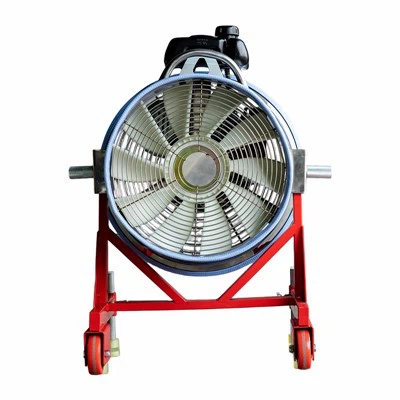
Choosing the right fire fighting pump is a big decision. It requires careful consideration of your needs, the flow rate and pressure requirements, the type of pump, the power source, maintenance, and cost. As a fire fighting pump supplier, I’m here to help you make the right choice.
Fire Ladder If you’re in the market for a fire fighting pump, don’t hesitate to reach out. We have a wide range of pumps to suit different needs and budgets. Our team of experts can provide you with all the information you need and help you find the perfect pump for your situation. Let’s work together to ensure your property is well – protected in case of a fire.
References
- NFPA 20: Standard for the Installation of Stationary Pumps for Fire Protection
- Fire Protection Handbook, National Fire Protection Association
Taizhou Mingxin Fire Protection Technology Co., Ltd.
As one of the most professional fire fighting pump manufacturers in China, we warmly welcome you to buy bulk high quality fire fighting pump made in China here from our factory. Good service and low price are available.
Address: Group 3, Xinzhouqiao Community, Jingtai Road Subdistrict, Hailing District, Taizhou City (within Taizhou Station North Logistics Management Co., Ltd.)
E-mail: mingxinxf@163.com
WebSite: https://www.mxfiretech.com/
